Showing posts with label Siem Reap. Show all posts

Cambodia Food

Cambodia Food

Cambodia Food

Discover the rich and diverse flavors of Cambodia's cuisine in this comprehensive guide. From fragrant curries to exotic street food, we explore the mouthwatering world of Cambodian food.

When it comes to Southeast Asian cuisine, Cambodia often takes a backseat to its more renowned neighbours, such as Thailand and Vietnam. However, Cambodian food is a hidden gem waiting to be explored. Rooted in tradition and bursting with unique flavors, Cambodia's culinary scene offers a delightful fusion of ingredients and influences that tell the story of its rich history.

In this article, we'll delve deep into the heart of Cambodia's food culture, from its street-side delicacies to its elaborate royal dishes. Get ready to embark on a culinary journey through this fascinating country, where every meal is a celebration of flavour.

Exploring Cambodia's Culinary Heritage

Cambodian Rice

Cambodian cuisine, also known as Khmer cuisine, is a testament to the country's rich history and cultural diversity. It draws inspiration from ancient Khmer traditions and incorporates flavors from neighboring countries.

Street Food Adventures

Cambodia's bustling street markets offer an array of delectable street food options that are as diverse as the country's landscapes. These flavourful bites are not only delicious but also a reflection of local life.

Nom Pang:

Cambodia's version of the banh mi sandwich, filled with a variety of ingredients, including grilled meats, pickled vegetables, and herbs.

Keralan:

A unique snack made from sticky rice, beans, and grated coconut, steamed in bamboo tubes for a smoky flavour.

Cha K'dam:

Fried crab cakes that are crispy on the outside and tender on the inside, often served with a tangy dipping sauce.

Popular Cambodian Dishes

Amok, Cambodia's Signature Dish

Amok with Rice

Amok, a fragrant and creamy fish curry, is often considered Cambodia's national dish. We'll explore the intricacies of its preparation and its cultural significance.

Bai Sach Chrouk, The Breakfast Delight

Start your day the Cambodian way with Bai Sach Chrouk, a breakfast dish featuring succulent pork and rice. It's a morning favorite you won't want to miss.

Nom Banh Chok, Noodles with a Twist

Discover Nom Banh Chok, a unique Cambodian dish of rice noodles topped with a fish-based green curry. Its fresh flavors are a testament to Cambodian culinary creativity.

Lap Khmer, A Tangy Salad Sensation

Lap Khmer, a zesty salad featuring minced meat or fish, packs a flavour punch. Learn about the vibrant ingredients that make this dish so tantalizing.

Fish with Fish Sauce and Rice

Street Food Adventures

Grilled Insects, A Unique Street Snack

Ready for an adventurous culinary experience? Explore the world of grilled insects, a street food delicacy that's surprisingly delicious.

Num Pang, The Cambodian Baguette

Num Pang, Cambodia's version of the baguette sandwich, offers a delightful blend of flavors and textures. Find out why it's a popular choice for a quick meal.

Fried Tarantulas, A Fear Factor Delicacy

Would you dare to try fried tarantulas? These crunchy arachnids are a quirky street food snack that's not for the faint of heart.

Vegetarian Delights

Cha Kreung Satch Moan, Tofu and Lemongrass Curry

Vegetarians rejoice! Cha Kreung Satch Moan is a delectable tofu and lemongrass curry that showcases the versatility of plant-based ingredients.

Somlar Kari Saik Chrouk, A Hearty Vegetable Stew

Somlar Kari Saik Chrouk is a comforting vegetable stew with a flavourful broth. It's the perfect choice for those seeking a hearty and healthy option.

The Sweet Side of Cambodia

Sticky Rice with Mango, A Sweet Finish

End your meal on a sweet note with sticky rice and mango. This heavenly dessert is a delightful blend of textures and flavors.

Pumpkin Custard, A Creamy Delight

Pumpkin Custard is a creamy and comforting dessert that reflects the love for simple yet indulgent treats in Cambodian cuisine.

Beverages to Quench Your Thirst

Sraa Tram M'plez, Sugarcane Juice

Cool off with a glass of Sraa Tram M'plez, refreshing sugarcane juice that's a popular choice in Cambodia's tropical climate.

Tuk-A-Lo, Iced Lemongrass Tea

Ice Lemongrass Tea

Tuk-A-Lo, iced lemongrass tea, is both soothing and revitalizing. Discover why it's a favorite beverage among locals.

Cooking Techniques and Ingredients

Kroeung, The Flavourful Paste

Kroeung, a fragrant and aromatic paste, is the secret behind many Cambodian dishes. Learn how to make this essential ingredient at home.

Fish Sauce, The Umami Elixir

Fish sauce is to Cambodian cuisine what soy sauce is to Chinese cuisine. Dive into the world of this umami-rich condiment.

Eating Etiquette in Cambodia

Understanding the local dining customs is essential when enjoying Cambodian cuisine. We'll guide you through the do's and don'ts of dining in Cambodia.

Celebrations and Food

Pchum Ben, Ancestor's Day Feast

Happy Pchum Ben Day

Pchum Ben is a significant Cambodian festival celebrated with elaborate feasts. Discover the special dishes prepared during this time.

Khmer New Year, A Culinary Extravaganza

Khmer New Year is a time for joy and celebration, and food plays a central role. Learn about the festive dishes that mark this occasion.

Sustainability and Farm-to-Table Movement

Explore how Cambodia is embracing sustainable practices and the farm-to-table movement to ensure the future of its unique culinary heritage.

Conclusion

As we conclude our gastronomic journey through Cambodia, we invite you to savor the flavors, embrace the culture, and embark on your own culinary adventure in this enchanting country.

FAQs

What is the national dish of Cambodia?

The national dish of Cambodia is "Amok," a fragrant and creamy fish curry prepared with a blend of aromatic herbs and spices.

Is Cambodian food spicy?

Cambodian food is known for its balanced flavors, and while some dishes can be mildly spicy, it's not as fiery as some other Southeast Asian cuisines.

What are some must-try street foods in Cambodia?

Don't miss trying "Num Pang," a Cambodian baguette sandwich, and if you're feeling adventurous, sample grilled insects or fried tarantulas, unique street snacks.

Are vegetarian options readily available in Cambodian restaurants?

Yes, Cambodia offers a variety of vegetarian options, including dishes like "Cha Kreung Satch Moan," a delicious tofu and lemongrass curry.

How can I recreate Cambodian flavors at home?

To recreate Cambodian flavors at home, you can start by making "Kroeung," the flavourful paste used in many Cambodian dishes. Additionally, using ingredients like fish sauce and lemongrass will bring authenticity to your cooking.

Cambodia Attractions

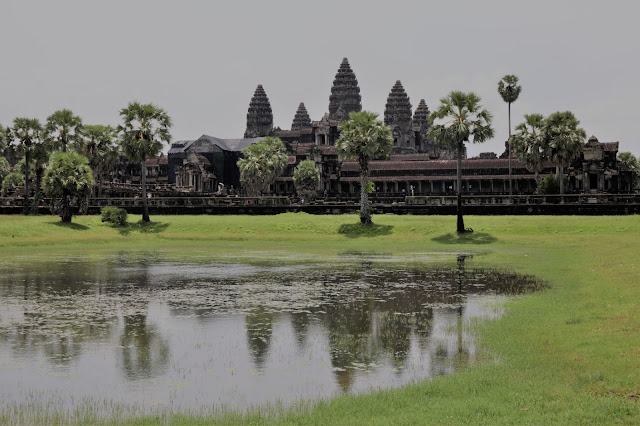
Angkor Wat

Cambodia Attractions

Introduction

Welcome to the Kingdom of Cambodia, a land of enchanting beauty, rich history, and warm hospitality. Cambodia attractions offer a unique blend of ancient temples, lush landscapes, and vibrant markets that beckon travelers from around the globe. In this comprehensive guide, we'll take you on a journey through the must-visit places and hidden gems of Cambodia, ensuring you make the most of your visit to this remarkable country.

Cambodia Attractions

Cambodia attractions are as diverse as the country itself. From awe-inspiring temples to pristine beaches, here's a glimpse of what awaits you:

Angkor Wat: A Marvel of Ancient Architecture

Nestled amidst the jungle in Siem Reap, Angkor Wat is an architectural masterpiece and a UNESCO World Heritage site. Explore the intricately carved temples and witness the sunrise over this stunning monument.

Breathtaking Beaches

Sihanoukville and nearby islands offer sun-soaked beaches, clear waters, and a relaxed atmosphere. Whether you're into water sports or simply want to unwind, Cambodia's beaches have something for everyone.

Phnom Penh: The Capital's Charms


Phnom Penh, the capital city, combines historical sites like the Royal Palace with modern attractions like the bustling Central Market. Dive into the city's vibrant culture and cuisine.

Siem Reap: Gateway to Angkor


Apart from Angkor Wat, Siem Reap boasts a lively nightlife scene, traditional Apsara dance performances, and a chance to explore the nearby floating villages.

The Mekong River: A Lifeline

Cruise along the mighty Mekong River and witness local life unfold on its banks. The river is the heart of Cambodia and offers a unique perspective on the country's daily life.

Stunning Waterfalls

The Kulen Mountains are home to beautiful waterfalls, perfect for a refreshing swim on a hot day. Discover the hidden gems of Cambodia's natural beauty.

Wildlife Encounters


Visit the Cardamom Mountains to witness diverse wildlife in its natural habitat. Trekking and eco-tours are available for those seeking adventure.

Floating Villages: A Glimpse into Local Life

Experience the unique culture of Cambodia's floating villages, where houses, schools, and markets all float on the Tonle Sap Lake.

Local Cuisine: A Culinary Delight

Local Khmer Dish

Sample traditional Khmer dishes like Amok and Lok Lak, or dive into the street food scene for a culinary adventure you won't forget.

Art and Crafts

Explore the art and craftsmanship of Cambodia, from intricate silk weaving to delicate pottery. Local markets are a treasure trove of handmade souvenirs.

Island Retreats


Escape to the serene islands of Koh Rong and Koh Rong Samloem for a tranquil beach getaway and underwater adventures like snorkeling and scuba diving.

Historical Marvels

Angkor Wat, Siem Reap

Discover Cambodia's turbulent history at the Killing Fields and Tuol Sleng Genocide Museum in Phnom Penh. These sites serve as poignant reminders of the past.

Apsara Dance

Watch a mesmerizing Apsara dance performance, a classical Khmer dance that narrates ancient myths and stories.

Rural Adventures

Explore the Cambodian countryside by bike or on a guided tour, where you'll encounter friendly locals and picturesque landscapes.

Peaceful Pagodas

Visit tranquil pagodas like Wat Phnom in Phnom Penh, where you can soak in the spiritual ambiance and panoramic views of the city.

Art Galleries

Phnom Penh and Siem Reap are home to vibrant art scenes. Explore galleries showcasing contemporary Cambodian art.

Royal Palace

Admire Colonial Architecture

Stroll through the streets of Battambang and admire the well-preserved colonial-era buildings that tell a story of Cambodia's past.

Night Markets

Indulge in shopping at Cambodia's night markets, where you can find handicrafts, clothing, and delectable street food.

Off the Beaten Path


For intrepid travelers, Cambodia offers remote areas like Banlung and Ratanakiri, known for their unique landscapes and indigenous cultures.

Khmer Ceremonies

If you're lucky, you might witness traditional Khmer ceremonies, weddings, or festivals during your visit, providing a deeper cultural experience.

Cycling Adventures

Explore Cambodia at your own pace on a bicycle. Ride through picturesque landscapes and interact with locals along the way.


Caving Expeditions

Venture into the mysterious caves of Cambodia, such as the ones in the Battambang region, and uncover their secrets.

Spa and Wellness Retreats

Relax and rejuvenate in Cambodia's spa and wellness centers, offering traditional Khmer massages and holistic treatments.

Eco-Tourism

Support sustainable tourism by visiting eco-friendly resorts and participating in conservation efforts.

Conclusion

Cambodia attractions offer a tapestry of experiences that will leave you enchanted. From the ancient wonders of Angkor Wat to the serene beaches and vibrant markets, this Southeast Asian gem has something for every traveler. Immerse yourself in Cambodia's rich culture, savor its delectable cuisine, and embark on adventures that will create memories to last a lifetime. Discover the Kingdom of Cambodia, where the past meets the present, and natural beauty abounds.

FAQs


Are Cambodia attractions suitable for families?

Absolutely! Cambodia offers a wide range of family-friendly attractions, including temples, beaches, and wildlife experiences.

What's the best time to visit Cambodia?

The best time to visit is during the dry season, from November to April, when the weather is pleasant for outdoor activities.

Do I need a visa to enter Cambodia?

Yes, most travelers require a visa to enter Cambodia. Check with the Cambodian embassy or consulate in your country for details.


Are Cambodia's beaches safe for swimming?

Yes, Cambodia's beaches are generally safe for swimming, but it's advisable to follow local guidelines and be aware of currents.

Is it necessary to book Angkor Wat tickets in advance?

While it's not mandatory, it's recommended to purchase your Angkor Wat tickets in advance to avoid long lines at the entrance.

Can I use US dollars in Cambodia?

Yes, US dollars are widely accepted in Cambodia, alongside the local currency, the Cambodian Riel.

Cambodia Travel Guide


Cambodia Travel Guide  

Ultimate Memorable Journey

When it comes to exploring the hidden gems of Southeast Asia, Cambodia stands out as a captivating destination. With its rich history, stunning landscapes, and vibrant culture, Cambodia offers travel a unique and unforgettable experience. In this comprehensive travel guide, we will take you on a virtual tour of Cambodia, highlighting the must-visit destinations, cultural treasures, and practical tips to ensure your trip surpasses all expectations.

Introduction


Cambodia, with its rich history and diverse landscapes, is a traveller’s paradise. Nestled in the heart of Southeast Asia, it offers a harmonious blend of ancient traditions and modern aspirations. Whether you're a history buff, an adventure enthusiast, or simply someone seeking serenity, Cambodia has something special to offer you. In this travel guide, we'll delve into the essence of Cambodia, providing you with invaluable insights to make your journey unforgettable.

Exploring the Enchanting Angkor Wat

Angkor Wat: The mere mention of this UNESCO World Heritage site conjures images of ancient temples and intricate stone carvings. Located in Siem Reap, Angkor Wat is the largest religious monument in the world and a symbol of Cambodia's rich heritage. To make the most of your visit, we recommend arriving early in the morning to witness the sunrise over this architectural marvel. Exploring the temple complex, including Bayon and Ta Prohm, will transport you to a bygone era of Khmer history.

Immerse Yourself in Cambodian Culture

Traditional Khmer Cuisine

No trip to Cambodia is complete without savoring its delectable cuisine. Indulge in the vibrant Flavors of dishes like Amok, a fragrant fish curry, or Lok Lak, a savory beef stir-fry. Street food in Cambodia is a culinary adventure in itself, offering a variety of Flavors that cater to every palate. Don't forget to try the famous Khmer noodles, a local Favorite.

Witness Apsara Dance Performances


Immerse yourself in Cambodia's cultural tapestry by attending an Apsara dance performance. These graceful dances depict stories from Hindu mythology and are a visual treat accompanied by traditional music. Siem Reap offers numerous venues where you can enjoy this captivating art form.

Discover Cambodia's Natural Beauty

The Serene Tonle Sap Lake

Embark on a serene boat ride on Tonle Sap Lake, Southeast Asia's largest freshwater lake. This picturesque setting provides a glimpse into the lives of the floating villages that dot its shores. Witness the unique lifestyle of the locals as they go about their daily activities on the water.

Explore the Mystical Cardamom Mountains

For the adventurous traveller, the Cardamom Mountains in southwestern Cambodia offer a pristine wilderness experience. Trek through lush rainforests, discover hidden waterfalls, and encounter diverse wildlife in this remote paradise. It's a haven for eco-tourism and a chance to connect with nature like never before.


Practical Tips for a Smooth Journey

Visa Requirements

Before you embark on your Cambodian adventure, ensure you have the necessary travel documents. Most tourists can obtain a visa on arrival, but it's advisable to check the latest visa requirements and fees before your trip.

Currency and Banking

The official currency of Cambodia is the Cambodian Riel (KHR), but the US Dollar (USD) is widely accepted. ATMs are readily available in major cities, making it convenient to withdraw cash when needed.


Language

Khmer is the official language of Cambodia, but English is widely spoken in tourist areas. Learning a few basic Khmer phrases can enhance your travel experience and endear you to the locals.

Accommodation

Cambodia offers a wide range of accommodation options, from budget-friendly hostels to luxurious resorts. In popular tourist destinations like Siem Reap and Phnom Penh, you'll find accommodations to suit every budget and preference. Booking in advance is recommended, especially during peak travel seasons.

In Conclusion

Cambodia is a land of contrasts, where ancient temples and modern cities coexist harmoniously. This travel guide has only scratched the surface of what this incredible country has to offer. From the architectural wonders of Angkor Wat to the pristine beauty of Tonle Sap Lake and the warmth of its people, Cambodia will capture your heart and leave you with cherished memories.

So, pack your bags and embark on a journey that will immerse you in the rich culture, history, and natural beauty of Cambodia. Let this guide be your companion as you explore the Kingdom of Wonder and create memories that will last a lifetime.

When it comes to exploring the mysteries of Southeast Asia, Cambodia stands as a true gem, boasting a rich tapestry of history, culture, and natural beauty that has captivated travellers for generations. Our comprehensive Cambodia travel guide is your key to unlocking this kingdom of wonders, and it's designed to provide you with an unparalleled experience as you embark on your journey through this captivating nation.


Cambodia Rich History

The Majestic Angkor Wat

No visit to Cambodia is complete without witnessing the awe-inspiring Angkor Wat. This ancient temple complex is not just a UNESCO World Heritage site but also the largest religious monument in the world. It's a masterpiece of Khmer architecture and a testament to Cambodia's rich history. Explore the intricately carved bas-reliefs and wander through the labyrinthine corridors as you delve into the mysteries of Angkor.

The Legacy of the Khmer Empire

Cambodia's history is deeply intertwined with the Khmer Empire, which flourished from the 9th to the 15th century. The ruins of Angkor Thom, Ta Prohm, and Bayon Temple stand as tangible remnants of this glorious past. Be prepared to be transported back in time as you walk among the ancient ruins, marvelling at the ingenuity of the Khmer civilization.

Immersing in Cambodian Culture

The Warmth of Khmer Hospitality

One of the most enchanting aspects of Cambodia is the warmth of its people. The Khmer people are known for their hospitality and friendliness. While you explore the country, you'll encounter countless opportunities to engage with locals, from bustling markets to serene villages. Don't miss the chance to Savor authentic Cambodian cuisine and interact with the locals, as it's an integral part of your journey.

Traditional Arts and Dance

Cambodia boasts a vibrant cultural scene, with traditional arts and dance at its heart. Witnessing a classical Apsara dance performance is a must during your visit. The intricate hand movements and elaborate costumes will leave you mesmerized, offering a glimpse into Cambodia's artistic heritage.


Natural Wonders of Cambodia

The Enigmatic Tonle Sap Lake

For nature enthusiasts, the Tonle Sap Lake is a paradise waiting to be explored. It's the largest freshwater lake in Southeast Asia and a UNESCO Biosphere Reserve. Take a boat tour to witness the floating villages, abundant birdlife, and the unique way of life of the people living on the water.

Exploring the Cardamom Mountains

For the adventurous traveller, the Cardamom Mountains offer an opportunity to immerse in Cambodia's pristine wilderness. Trekking through lush rainforests, encountering diverse wildlife, and visiting remote tribal villages are experiences that will connect you with the natural beauty and cultural diversity of the country.

Navigating Cambodia's Cities

Phnom Penh: The Capital


Phnom Penh, the capital city, is a dynamic metropolis with a blend of modernity and history. Explore the Royal Palace, visit the sobering Tuol Sleng Genocide Museum, and take a stroll along the picturesque riverside to understand the city's complex past and promising future.

Siem Reap: Gateway to Angkor

Siem Reap, the gateway to Angkor, is a vibrant town with a lively night market, bustling restaurants, and a range of accommodations to suit every budget. It's the perfect base for exploring Angkor Wat and the surrounding temples.

Practical Tips for Your Cambodia Journey

Visa and Entry Requirements

Before embarking on your Cambodian adventure, ensure you have the necessary visa and permits. Most travellers can obtain a visa on arrival, but it's essential to check the latest requirements before your trip.

Local Cuisine

Cambodian cuisine is a delightful fusion of Flavors, with dishes like Amok (a creamy coconut curry) and Lok Lak (stir-fried beef) being popular choices. Don't forget to try street food, but exercise caution with hygiene.

Respect for Local Customs


While exploring Cambodia, it's crucial to respect local customs and traditions. Dress modestly when visiting temples, remove your shoes before entering sacred spaces, and ask for permission before taking photos of people.

Language

Khmer is the official language, but English is widely spoken, especially in tourist areas. Learning a few Khmer phrases can enhance your interactions with locals.

Conclusion

As you plan your journey to Cambodia, let our comprehensive travel guide serve as your trusted companion. From the grandeur of Angkor Wat to the tranquil beauty of Tonle Sap Lake, Cambodia offers a plethora of experiences that will leave you in awe.

So, pack your bags, prepare for an adventure like no other, and immerse yourself in the kingdom of wonders that is Cambodia. Your journey begins here, where history, culture, and natural beauty converge to create memories that will last a lifetime.

Tourism in Cambodia – Angkor wat, Siem Reap


Tourism in Cambodia – Angkor wat, Siem Reap

Angkor Wat is located in the historical and mythical city of Siem Reap. 

Siem Reap

In terms of population, Siem Reap is 5th largest city of Cambodia. During 2018, out of more than 6.2 million visitors to Cambodia, majority of them visited Angkor temples.  In terms of number of passengers, this city has a second largest airport of Cambodia.
Angkor Wat View
Angkor Wat View

The historical city of Siem Reap is tourism paradise of ancient and world heritage centres.  Angkor Wat Temple, some of the important destinations in Siem Reap are:
  • Bayon Temple
  • Visit around Tonle Sap Lake 
  • Ta Prohm Temple 
  • Kulen Waterfall 
  • Banteay Srei Temple 
  • Baksei Chamkrong temple 
  • Classical dancing at Hotel Grande de Angkor 
  • National Museum 
  • Landmine Museum 
  • Preah Khan Temple 
  • Bird Sanctuary at Prek Toal 
  • Crocodile farm
Crocodile Farm, Siem Reap, likecambodia.blogspot.com
Crocodile Farm, Siem Reap

Hotels in Siem Reap

Either you are travelling from Phonm Penh or international tourist arrival on Siem Reap airport, first thing to look for is hotel in Siem Reap. You can either book Siem Reap hotel well before arrival but you can get it ranging from few dollars to few hundred dollars.  Beware of peak season when prices are higher.  Anyhow, there are more than 500 hotels in Siem Reap.
Hotels in Siem Reap - likecambodia.blogspot.com
Hotel in Siem Reap

Transportation around Siem Reap or to Angkor Compound

Most convenient option is to get a tuk-tuk to get around Angkor or the city.  Depending on your negotiation skills, you may end up paying anything 1 $ or plus. Hotels in Siem Reap have their own services for transportation around city to temples.

Tourists in Siem reap who had 3 to 7 days pass to Angkor Temples, rent a bicycle and roam around according to their choice.  Bicycle parking is available outside temples. 
Angkor Wat - Outside View, likecambodia.blogspot.com
Angkor Wat - Outside View

Entrance Fees for Angkor Complex

There are three options for International Tourists, 1 day pass for $ 37, 3 days pass for $ 62 and 7 days pass for $72.  There are no charges for local tourists.  Ticket counters accept currency (USD and Cambodia Riels) and credit cards. Once you pay price of respective day(s) visit option, you are asked to stand in front of camera. They issue ticket with your picture on it.  It’s a huge temple complex so you have to plan in advance the priorities are temple options.

Photography especially Sunrise and Sunset

Angkor Wat is considered as one of the favourite destination of photographers for morning or evening shoots to capture sunrise or sunset from Angkor.

Locals also consider this ancient city for their wedding photo shoots.  Anyhow, the whole compound is photography paradise.
Angkor Wat Entrance - likecambodia.blogspot.com
Angkor Wat entrance at noon

Food and Drinks:

There are some local food outlets available outside and inside the temple.  Plenty of coconut water sellers are seen around the Angkor Wat.  In order to avoid dehydration, you may choose Coconuts, lemon and honey drinks, cold drinks or water. 

Some of the tourists take a break in noon for lunch and they come back to temple compound afterwards.  Food options in the city are quite diverse, developed according to tourists’ taste and choice. A lot of fast food options are available like KFC, Burger King…..

Tips for Visiting Temples:

Tourists have to consider few precautions before the trip.  Some of the important tips are provided in the link below:

Tourism in Cambodia - Important Links:

https://likecambodia.blogspot.com/2015/01/angkor-temples-cambodia.html

Ta Prohm, Siem Reap, Cambodia


Ta Prohm, the famous Lara Croft: Tomb Raider (2001) tree.  Best time to visit the temple is early morning when most of the tourists are visiting Angkor Wat temple. 


Morning click of Ta Prohm

Crocodile Farm - Siem Reap, Cambodia

While visiting Angkor Wat, one should experience crocodile farm in Siem Reap, Cambodia.  There is a nominal fee for entrance in the farm.  There are hundreds of crocodile of different size and shape.  You could not stay for long over there especially if it is humid.

Hungry Crocodile


Crocodile in Siem Reap


Tips of visiting Angkor Wat (Siem Reap, Cambodia) – Angkor Wat Guide

Do's and Don't - Angkor Wat, Siem Reap, Cambodia


Tips of visiting Angkor Wat (Siem Reap, Cambodia) – Angkor Wat Guide
Angkor Wat

Tips

  • Spare enough time to explore the staggering 400 Km2 area. Better get 7 days pass and hire a bicycle.
  • Read history of the temples and schedule your visit accordingly.  Get a guide if you have not invested time in reading history about Angkor Wat, otherwise you may miss some important spots like Ta Proham (Tomb Raider Spot)……
  • Make up for Sunrise and don’t miss Sunset at Angkor wat.  As a photographer understands the importance of these two time for best shots, you may get memorable shots of your whole trip at Angok Wat at Sunrise..
  • Drink plenty of water and you should have enough with you if you are on bike.
  • Wear sandals  and beware of steep stairs that could be more dangerous if its raining.
    Angkor Wat Temple - Upper Portion
    Angkor Wat
  • Use sun block and buy an umbrella to save yourself from sun light and unexpected rain.
  • Eat fresh fruits and coconut water instead of cooked food there.
  • Beware of monkeys snatching stuff from your hands especially eatables. Monkeys could be aggressive at times.
Monkey of the Angkor Wat, Siem Reap, Cambodia
Monkeys at Angkor Wat Temple, Siem Reap, Cambodia

  • Don’t lose ticket otherwise you will end up paying fine and additional amount for a new ticket.
  • Don’t underestimate the size of the whole area, covering full area in one day is too hectic. 
  • Carry spare camera batteries and water proof camera bag.
  • Do read about the Cambodian culture so that you avoid problematic situation like wearing appropriate clothes while visiting temples, wearing caps in temples is not allowed, touching heads of Cambodian (even kids) is inappropriate……..

Angkor Wat, Siem Reap, Cambodia - Front
Angkor Wat, Siem Reap, Cambodia

Angkor temples, Cambodia

Angkor is one of the the most important archaeological sites in South-East Asia. Stretching over some 400 km2, including forested area, Angkor Archaeological Park contains the magnificent remains of the different capitals of the Khmer Empire, from the 9th to the 15th century. They include the famous Temple of Angkor Wat and, at Angkor Thom, the Bayon Temple with its countless sculptural decorations.

Angkor is a lost world where tourists will discover a lot about Cambodia culture and history.

The most magnificent Angkor temples:

1. Angkor Wat Temple
Angkor Wat (meaning “City Temple”) is the most magnificent and largest of all Angkor temples. The structure occupies and enormous site of nearly 200 hectares (494 acres). A huge rectangular reservoir surrounds the temple which rises up through a series of three rectangular terraces to the central shrine and tower at a height of 213 meters (669 feet). This arrangement reflects the traditional Khmer idea of the temple mountain, in which the temple represent Mount Meru, the home of the gods in Hinduism.
Built under the reign of king Suryavarman II in the first half of the 12 century, Angkor Wat is the pinnacle of Khmer architecture. The famous bas-reliefs encircling the temple on the first level depict Hindu epics including the mythical “Churning of the Ocean of Milk”, a legend in which Hindu deities stir vast oceans in order to extract the nectar of immortal life. The reliefs, including thousands of female dancers, are carved into the wall of the third enclosure of the temple.
In the late 13th century, Angkor Wat gradually moved from a Hindu temple to a Theravada Buddhist one. Unlike other temples at Angkor which were abandoned after the fall of the Khmer empire in the 15th century, Angkor Wat remained a Buddhist shrine.
2. Bayon Temple
The Bayon temple features a sea of over 200 massive stone faces looking in all direction. The curious smiling faces, thought by many to be a portrait of king Jayavarman VII himself or a combination of him and Buddha, are an instantly recognizable image of Angkor. Built in the 12th century by King Jayavarman VII as part of a massive expansion of his capital Angkor Thom, the Bayon is built at the exact center of the royal city. The Bayon is the only state temple at Angkor built primarily as a Mahayana Buddhist shrine dedicated to the Buddha. Following Jayavarman’s death, it was modified by later Hindu and Theravada Buddhist kings in accordance with their own religious beliefs.
The Bayon temple rises through three levels to a height of around 43 meters (140 feet). The outer gallery on the first level depicts scenes from everyday life and historical events, while the inner gallery on the next higher level depicts mythical figures and stories. Some of the figures depicted are Siva, Vishnu, and Brahma. The third level is where you will encounter many of the famous faces (and tourists).
3. Ta Prohm
Ta Prohm is undoubtedly the most atmospheric and photogenic ruin at Angkor, with trees growing out of the ruins. Here you can still experience an India Jones moment and feel like an early explorer. If Angkor Wat and other temples are a testimony to the genius of the ancient Khmers, Ta Prohm equally reminds us of the awesome power of the jungle.
Built from 1186, Ta Prohm was a Buddhist temple dedicated to the mother of Jayavarman VII. It is one of the few temples in Angkor where an inscription provides information about the temple’s inhabitants. The temple was home to more than 12,500 people, including 18 high priests, while an additional 80,000 khmers, living in the surrounding villages, were required to maintain the temple. The inscription also notes that the temple contained gold, pearls and silks. After the fall of the Khmer empire in the 15th century, the temple was abandoned and swallowed up by the jungle.
4. Angkor Thom
The last great capital of the Khmer empire, Angkor Thom (literally “Great City”) took monumental to a whole new level. It was built in part as a reaction to the surprise sacking of Angkor by the Chams. King Jayavarman VII decided that his empire would never again be vulnerable at home. Beyond the eight meter (26 ft) high walls is a massive moat that would have stooped all but the most determined invaders. The city wall has a sanctuary tower at each corner and five entry gates; one per cardinal direction plus an additional eastern portal, the Victory Gate. The gates each feature a tower topped by four huge faces, similar to those at the Bayon temple. The most fascinating way to enter Angkor Thom is through the south gate. The causeway here is flanked by 54 gods and 54 demons depicting parts of the popular Hindu legend “The Churning of the Ocean of Milk”.
5. Banteay Srei
Located far (about 32 km/20 miles) from the main group of temples, Banteay Srei is one of the smallest sites at Angkor. Due to its beautiful carvings however it is extremely popular with tourists and considered a jewel of Khmer art. Built of fine grained rose-pink sandstone, the temple walls are elaborately decorated with floral motifs and epic Ramayana scenes.
Construction of Banteay Srei began in AD 967 AD. It is the only major temple at Angkor not commissioned by a king but by a brahmin named Yajnavaraha. The temple was primarily dedicated to the Hindu god Śiva. Banteay Srei, the modern name of the temple, means “Citadel of the Women” as the elaborate carvings are supposedly to fine for the hand of a man. Its original name, Tribhuvanamaheśvara, means the “great lord of the threefold world”.
6. Phnom Bakheng
Dedicated to Shiva, Phnom Bakheng is a Hindu temple in the form of a temple mountain. It was constructed at the end of the 9th century, more than two centuries before Angkor Wat , during the reign of King Yasovarman. Phnom Bakheng was the architectural centerpiece of a new capital, Yasodharapura. The temple faces east and is built in a pyramid form of six tiers. Upon its completion it boasted 108 small towers around the temple at ground level and on several tiers. Only a few of the towers now remain. Located on top of a hill, the temple is a very popular tourist spot for the magnificent sunset views.
7. Preah Khan
The temple of Preah Kahn is one of the largest complexes at Angkor. Like the nearby Ta Prohm temple, Preah Khan has been left largely unrestored, with numerous trees growing among the ruins. Preah Khan was built by king Jayavarman VII and probably served as his temporary residence while Angkor Thom was being built. The ultimate fusion temple, Preah Khan is both a Buddhist and Hindu temple. Four ceremonial walkways approach the gates of the temple. The eastern entrance is dedicated to Mahayana Buddhism with equal-sized doors. The other principal directions are dedicated to Shiva, Vishnu and Brahma with successively smaller doors, emphasizing the unequal nature of Hinduism.
8. Pre Rup
With its three central spires, Pre Rup looks a bit like a mini Angkor Wat. Pre Rup was built as the state temple of king Rajendravarman in 961 and was dedicated to Shiva. It was the second temple built after the capital was returned to Angkor from Koh Ker after a period of political upheaval. Pre Rup is made of gray sandstone, which is a less durable material than the pink sandstone of some of the other temples at Angkor. As such, time and weather haven’t served the temple well and many of the complex carvings and details have been worn away by rain and erosion. It’s a crumbling temple but still magnificent in size and structure.
9. Banteay Kdei
Little is known about this mysterious temple. It is presumed that Banteay Kdei was a Buddhist monastery as hundreds of Buddha statues have been excavated from the site. The temple was probably built in the 12th century, around the same time as the Ta Prohm temple. Known as ‘the citadel of cells’, its design is quite similar to Ta Prohm and Preah Khan, but less complex and smaller in scale. After the collapse of the Khmer empire it remained neglected and covered with vegetation for centuries.
10. Ta Keo
Dedicated to the Hindu god Shiva, Ta Keo was built as the state temple of Jayavarman V, son of Rajendravarman, who had built the Pre Rup temple. Jayavarman V was 10 years old when he succeeded his father, in 968 AD. When he was aged 17, he began the construction of his own state temple, whose modern name is Ta Keo. The temple was never completed however. Legend has it that the temple was struck by lightning during its construction, and all work was abandoned at a stage where the main structure was complete but no external carvings had been added. Also unique is the fact that Ta Keo is made of green sandstone versus the deeper brown or grayish color of other temples at Angkor. The climb to the top of the temple is very steep, but the view is well worth it.

Angkor tour

Ta Prohm (Khmer: ប្រាសាទតាព្រហ្ម)

The temple of Ta Prohm was used as a location in the film Tomb Raider.


Ta Prohm - Siem Reap

Ta Prohm - Siem Reap

Ta Prohm - Siem Reap

Ta Prohm - Siem Reap

Ta Prohm - Siem Reap

Ta Prohm - Siem Reap

Ta Prohm - Siem Reap

Bayon - Siem Reap

The Bayon (Khymer: ប្រាសាទបាយ័ន, Prasat Bayon) is a well-known and richly decorated Khymer temple at Angkor - Siem Reap in Cambodia.

The Bayon's most distinctive feature is the multitude of serene and massive stone faces on the many towers.

http://en.wikipedia.org/wiki/Bayon

Bayon - Siem Reap

Bayon - Siem Reap

Bayon - Siem Reap

Bayon - Siem Reap

Bayon - Siem Reap

Bayon - Siem Reap

Bayon - Siem Reap

Tips of visiting Angkor Wat (Siem Reap, Cambodia) – Angkor Wat Guide

Do's and Don't - Angkor Wat, Siem Reap, Cambodia Angkor Wat Tips Spare enough time to explore the staggering 400 Km 2 ...